Creating an effective learning experience is a collaborative effort—and validation is where that collaboration truly comes to life.
Clear, timely feedback ensures that every decision we make reflects your goals, your learners, and your organization’s voice. When validation flows well, projects stay on track, creativity thrives, and the final product lands exactly where it should.
At Third Term Learning, our development process typically moves through four phases: needs analysis, instructional design, graphic design, and multimedia production. Each phase requires a different type of validation, and aligning early helps avoid rework later.
Below is a streamlined guide to help your team validate efficiently and confidently at every stage.
Strong validation has three essentials: clarity, unity, and actionability.
1. Provide unified feedback
If multiple people are reviewing, consolidate comments before sending them. Conflicting feedback slows development and can introduce errors. A single, aligned response keeps the process moving.
2. Make feedback actionable
Comments should translate directly into a change.
Helpful: “Replace word X with Y.” / “Change the button color to red.”
Not helpful: “This needs rephrasing.” / “We want a different design.”
3. Prioritize validation by complexity
When multiple items are ready for review, validate in this order:
- Clips
- Storyline modules
- Rise modules
- PDFs
- Assessments
At this stage, you validate the content—what learners will read, hear, and do.
You’ll review:
• Script accuracy and clarity
• Industry terminology and phrasing
• Activities and feedback
• On‑screen text and narration
• Visual cues (conceptual only—not design or color)
• Menu structure and navigation logic
Content changes after this stagecan cause delays, as they often require rework across instructional and designteams.
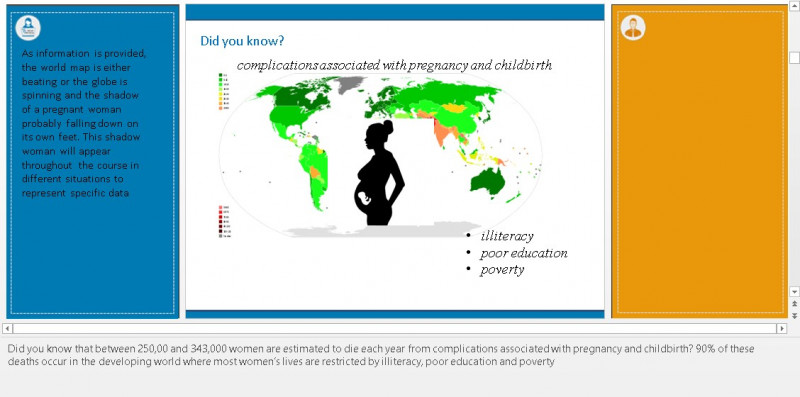
Here, the course takes visual shape.
You’ll review:
• Graphic style and identity
• Colors, logos, typography
• Visual elements and character representation
• Technical diagrams or process visuals
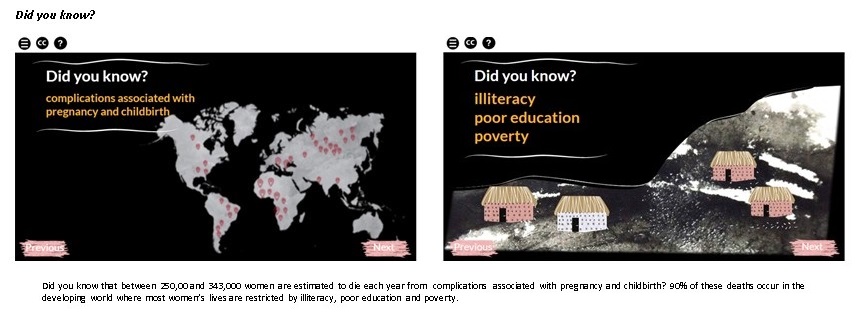
This is where everything comes together.
You’ll review:
• Narration accuracy
• Timing and synchronization
• Screen interactions and navigation
• Overall course functionality

Efficient validation is a shared responsibility—and one of the strongest predictors of a smooth, on‑time project. When teams collaborate closely, communicate clearly, and validate with intention, the entire development process becomes more dynamic, more efficient, and ultimately more rewarding.